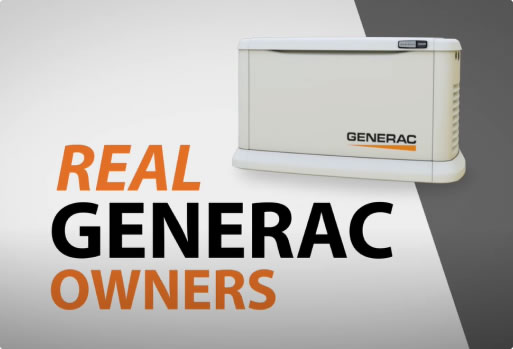

Keep the lights on whatever may come.






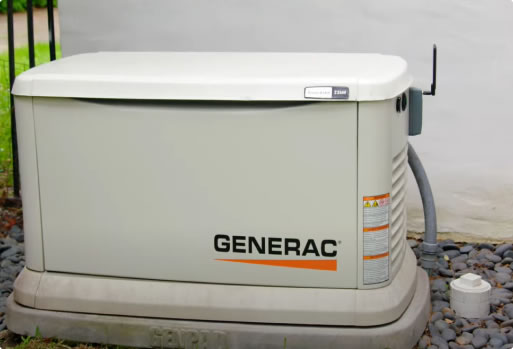
An automatic backup generator becomes a power source for your home within seconds of a power outage. When this happens, it automatically switches on and begins supplying power to your home.
Automatic generators have you covered during a backup without any hassle on your part. The power goes out, and they come right on. Portable generators are less convenient, increase the risk of carbon monoxide exposure, and require a lengthy setup (potentially in the dark!).
Generator power and size can vary quite drastically, and the right type for your home depends on your building size and power demands. When you speak with one of our home energy consultants, you can receive a free quote and estimate for the type of generator that would best suit your needs.
The critical loads panel is a secondary panel that allows you to choose which parts of your home will be supplied power during a blackout. For example, you can set specific lights, rooms, or appliances to the critical loads panel to get the most out of your generator.
Oil and filter changes are the main maintenance a generator requires to keep it in optimal shape. However, this maintenance is infrequent and can be quickly completed by a service technician.
Our generators typically connect to your home’s natural gas line. However, gas lines are not perfectly reliable (for example, during an earthquake or other natural disaster), so some clients may prefer a generator configured to run on liquid propane for additional independence from outside energy sources.
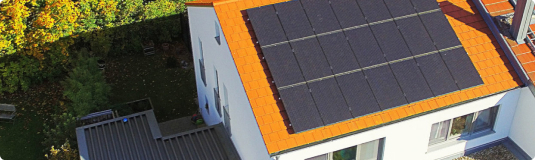
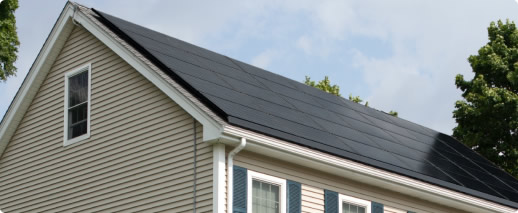
While generators allow you a backup plan if the grid goes down, we do not recommend using them as your primary source of energy. The fuel usage would prove more costly and would be less efficient that buying power from an energy provider. However, using our options for solar panels and backup batteries is ideal for becoming energy self-sufficient.
Generators do make some noise, but our options are designed for a quieter operating level, typically about 60 decibels from 20 feet away, which is the noise level of a normal conversation.
Talk to a Luxe Power representative today about switching to secure energy with a backup generator in your area.
Keep the lights on whatever may come.

An automatic backup generator becomes a power source for your home within seconds of a power outage. When this happens, it automatically switches on and begins supplying power to your home.
Automatic generators have you covered during a backup without any hassle on your part. The power goes out, and they come right on. Portable generators are less convenient, increase the risk of carbon monoxide exposure, and require a lengthy setup (potentially in the dark!).
Generator power and size can vary quite drastically, and the right type for your home depends on your building size and power demands. When you speak with one of our home energy consultants, you can receive a free quote and estimate for the type of generator that would best suit your needs.
The critical loads panel is a secondary panel that allows you to choose which parts of your home will be supplied power during a blackout. For example, you can set specific lights, rooms, or appliances to the critical loads panel to get the most out of your generator.
Oil and filter changes are the main maintenance a generator requires to keep it in optimal shape. However, this maintenance is infrequent and can be quickly completed by a service technician.
Our generators typically connect to your home’s natural gas line. However, gas lines are not perfectly reliable (for example, during an earthquake or other natural disaster), so some clients may prefer a generator configured to run on liquid propane for additional independence from outside energy sources.
While generators allow you a backup plan if the grid goes down, we do not recommend using them as your primary source of energy. The fuel usage would prove more costly and would be less efficient that buying power from an energy provider. However, using our options for solar panels and backup batteries is ideal for becoming energy self-sufficient.
Generators do make some noise, but our options are designed for a quieter operating level, typically about 60 decibels from 20 feet away, which is the noise level of a normal conversation